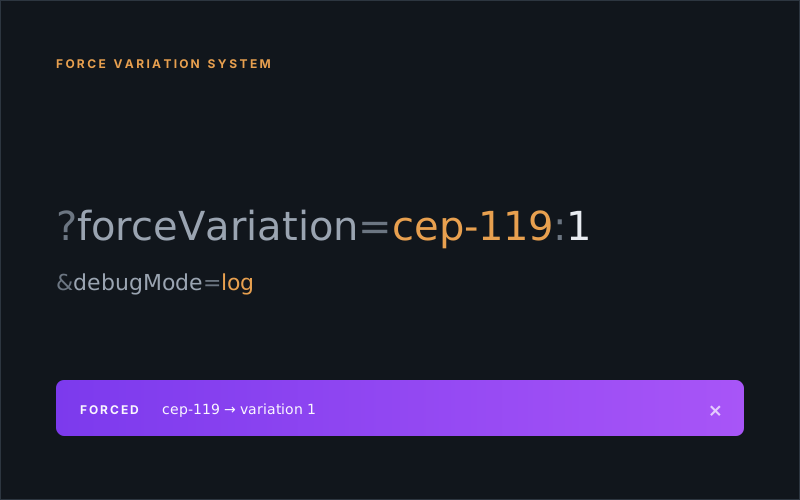
Forcing Variations Without Breaking Targeting
GrowthBook's native URL override bypasses every targeting rule. The QA preview tool I built keeps the rules in place — forcing only fires if the user already qualifies.
The blog
Twelve years of A/B testing, JavaScript, and performance work — written down so I don't have to remember it all.
GrowthBook's native URL override bypasses every targeting rule. The QA preview tool I built keeps the rules in place — forcing only fires if the user already qualifies.
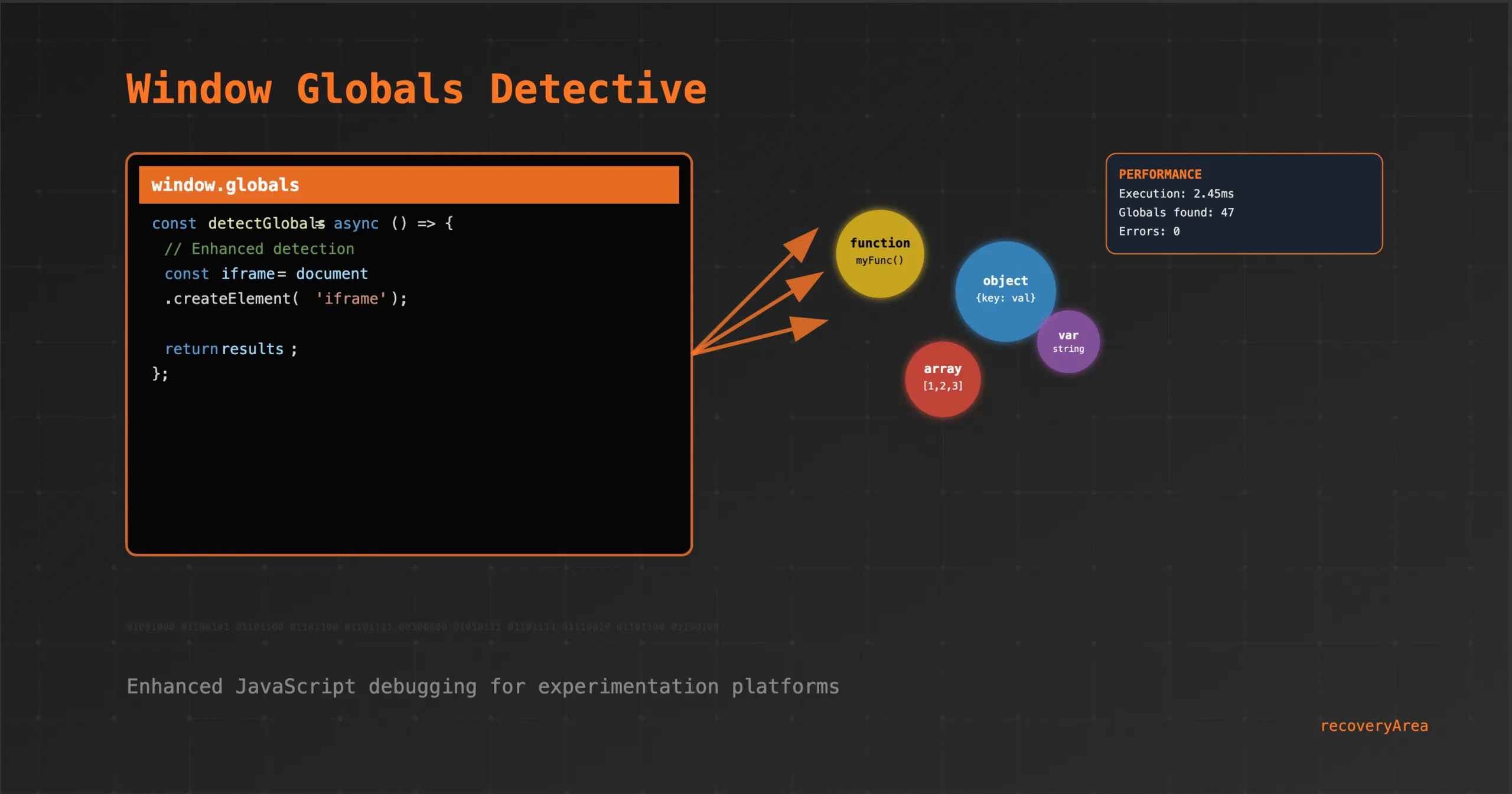
An async, error-resilient globals detector: spins up an iframe baseline, categorises the diff by type, and lets you exclude known third-party noise.
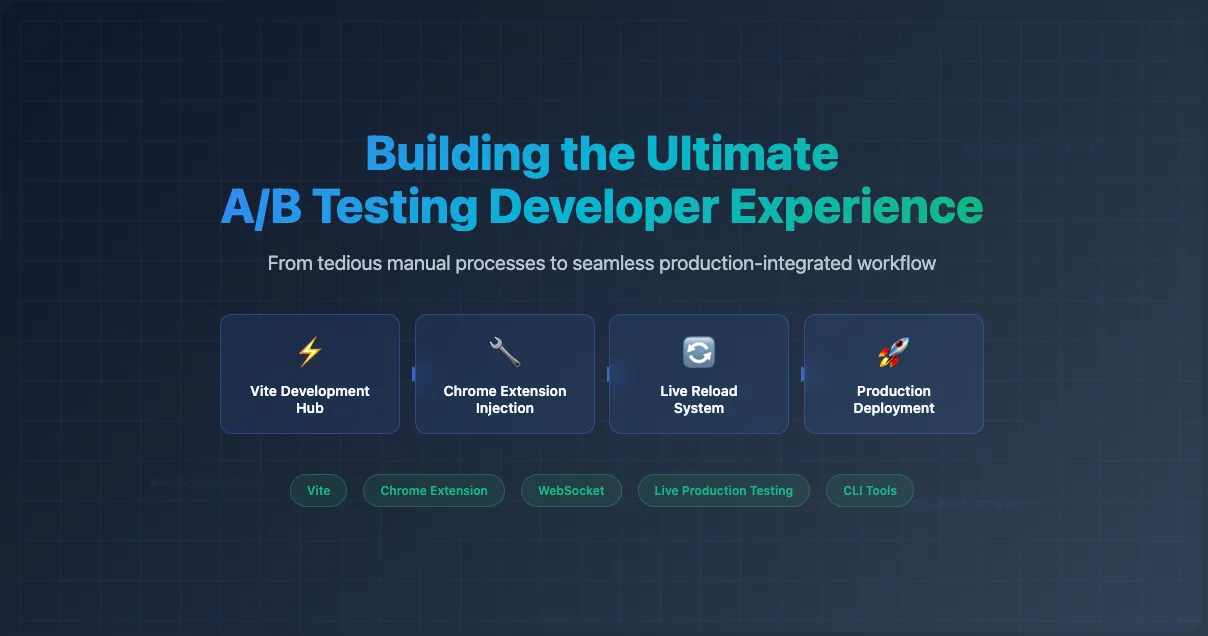
How a Vite hub, a Chrome extension that hijacks production scripts, and a WebSocket reload loop turned multi-client A/B testing into hot-reloadable dev work.

Inside MintMinds RequestLite: a Manifest V3 Chrome extension that redirects production script URLs to localhost and live-reloads tabs over WebSocket.
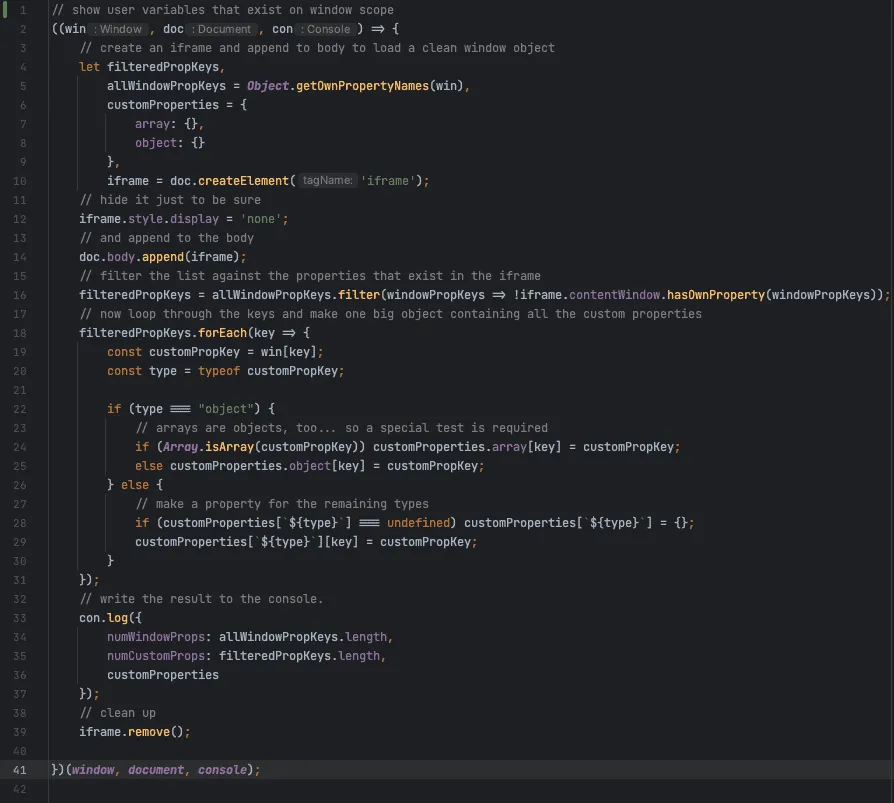
A tiny IIFE that compares window against a fresh iframe to list every user-defined global, grouped by type — handy for auditing third-party noise.
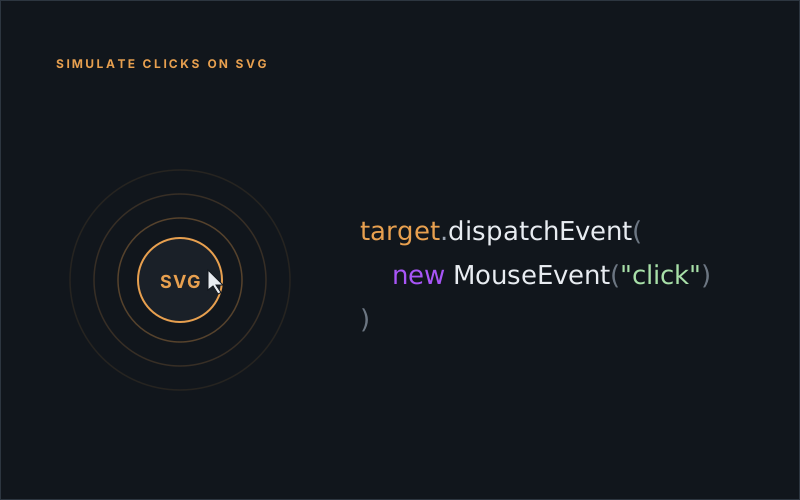
Why HTMLElement.click() silently fails on SVG, and the modern MouseEvent-dispatch one-liner that actually triggers the click on any element.
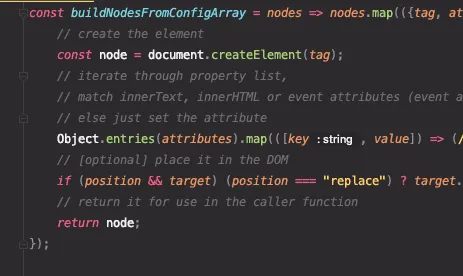
A tiny config-driven helper that builds, attributes, and inserts DOM nodes in one call — the primitive that powers most of my A/B test variants.
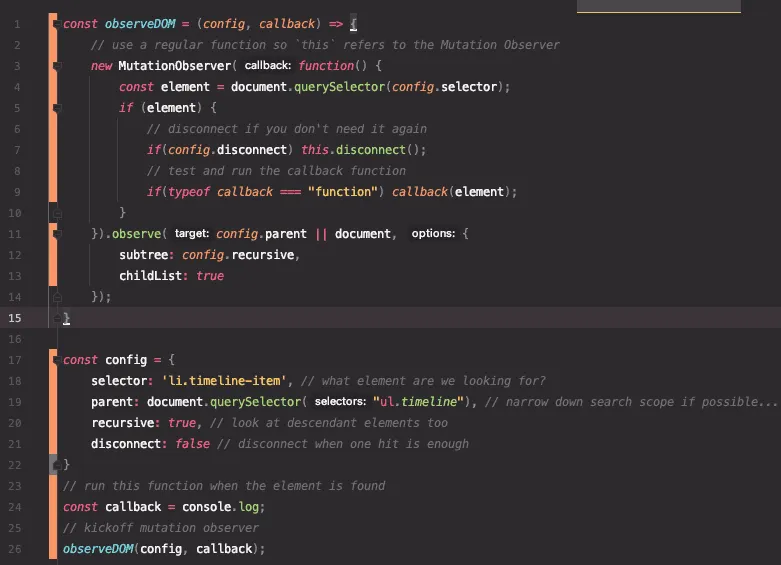
How wrapping querySelector in a MutationObserver kills the FOUC in A/B tests — your variant fires the instant the target element lands in the DOM.
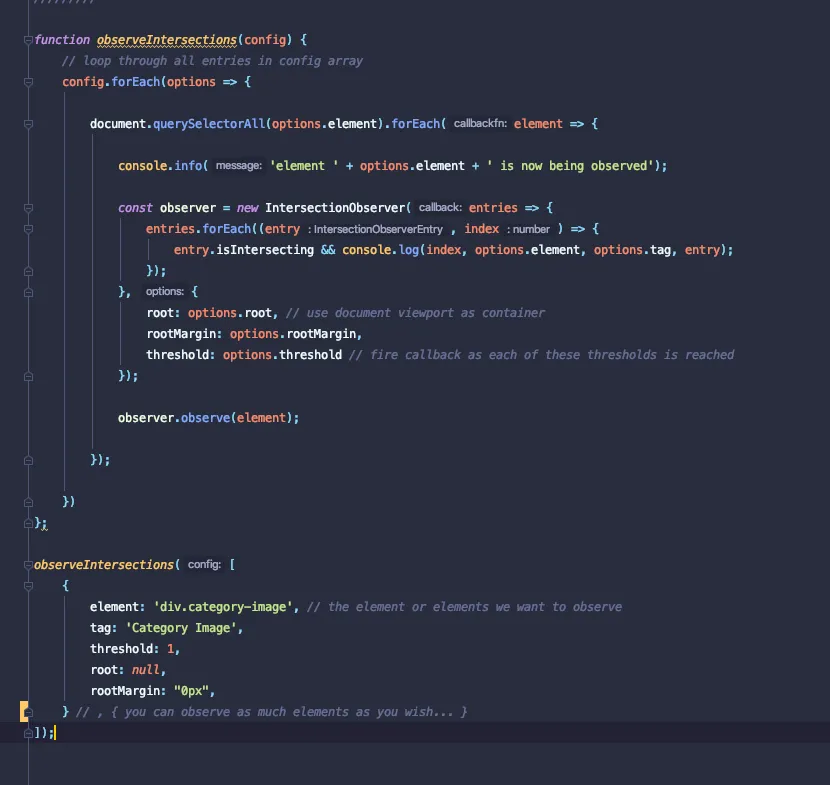
Replacing my old rAF-based viewport tracker with IntersectionObserver — the simpler, lazier, dramatically less complicated way to fire A/B test events.

The original requestAnimationFrame helper that fires A/B test events when an element scrolls into view — predecessor to the Intersection Observer rewrite.

Five jQuery techniques that keep A/B tests under their performance budget — selector speed, caching, chaining, event delegation, and DOM-write batching.
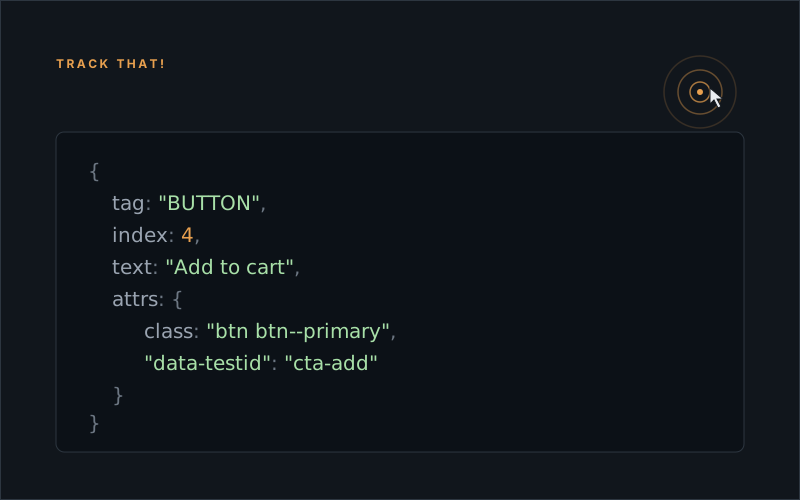
A pocket-sized click introspection helper that JSON-stringifies the source element, its index, text, and every attribute — useful as A/B test custom tracking.
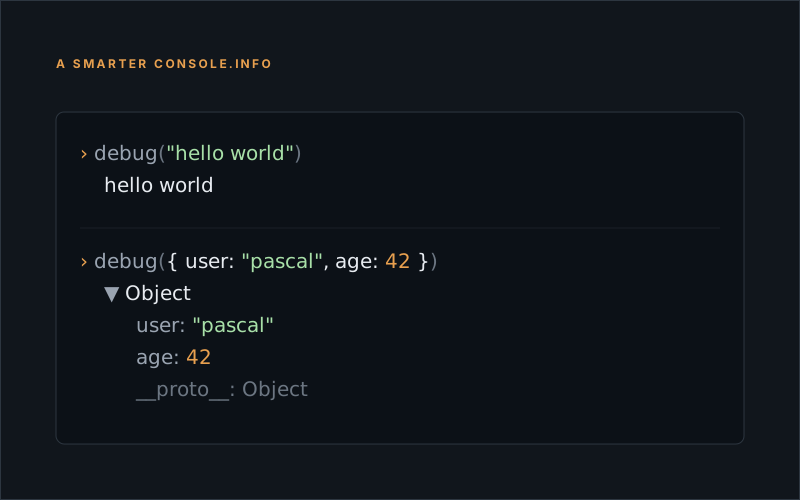
A tiny defensive wrapper that picks console.dir for objects and arrays and console.info for primitives — back when Firebug and Chrome disagreed about logging.